01 Answer first
Which systems make up a complete water bottling plant?
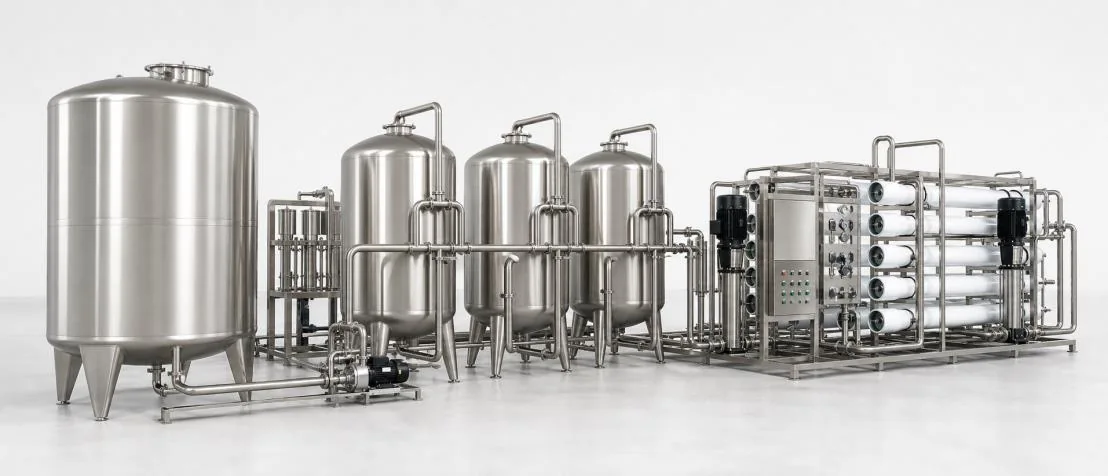
A project may connect raw-water preparation and treated-water storage, purchased-bottle handling or in-house PET blowing, container rinsing, filling and capping, conveyors, labeling, coding, secondary packing, utilities, controls and startup services. The correct route changes with the water category, bottle material and size, closure, output basis, factory and local compliance requirements.
02 Where it fits
Position in the project journey
System-route definition - before equipment selection, quotation comparison, layout freeze or utility release.
03 Buyer inputs
What the buyer should prepare
- Finished-water category, target market and responsible local approval route
- Source-water report, seasonal variability and finished-water objective
- Bottle, neck, closure, label and finished-pack drawings or reference samples
- Saleable output, operating calendar, factory constraints, utilities and destination
04 Allot Tech and manufacturing-resource inputs
What should be clarified or provided
- Project-specific process route, equipment train and declared design assumptions
- Line-balance basis for the same bottle, pack, materials and operating conditions
- Utilities, controls, physical interfaces, local work, exclusions and responsible owners
- Inspection, FAT, documentation, site-service and handover evidence for the agreed scope
Allot Tech coordinates requirement, quotation and project communication. Detailed engineering, manufacture, testing, documentation and confirmed service are performed by selected manufacturing resources according to the signed scope.
05 Technical scope
Questions and work to control
Start With the Saleable Product and Container Route
Purified, mineral and spring water can require different source evidence, permitted treatment decisions and monitoring. Small PET, large-format PET, returnable 5-gallon and glass also create different bottle-supply, preparation, filling, inspection and packing boundaries. Choose both dimensions before comparing equipment.
- Product identity and target water specification
- Purchased bottles, preforms, returnables or glass supply
- Closure, label, code and finished distribution pack
- Required output on one named reference format
Connect the Plant From Raw Water to Dispatch
A complete solution should show how water, empty containers, closures, labels and packaging materials move into the plant and how accepted packs leave it. Treatment, storage, blowing, filling, conveyors, coding, packing, utilities, controls and quality checks must share defined connection conditions.
- Water-treatment and hygienic-storage route
- Empty-container production or receiving path
- Rinse, fill, cap and transfer sequence
- Identification, secondary packing and dispatch interface
Use Catalog Information as a Reference, Not a Commitment
The Allot Tech catalog identifies relevant families such as treatment modules, PET blowing, XGF 3-in-1 filling, QGF 5-gallon processing, sleeve labeling and shrink packing. These are Catalog References only. Final model, material, capacity, controls, auxiliaries and supply status require project confirmation.
- Confirm the current model and configuration
- Confirm the rating bottle and operating conditions
- Confirm utilities, change parts and bought-out items
- Place accepted values in the signed technical schedule
Compare Commercial Proposals on One Responsibility Basis
Machine supply, integration, export preparation, freight, installation, local utilities, civil work, trial materials and production approvals may have different owners. Normalize these categories before comparing totals so an omitted work package is not mistaken for a saving.
- Included equipment and technical options
- Supplier, buyer and qualified local-party work
- Logistics, travel and site-support boundaries
- Acceptance records, open items and exclusions
Connected buyer guide path
Continue through the decisions that affect this project stage
Use these pages as a controlled decision path. Each guide addresses a different project question and links the required buyer inputs to responsibilities, risks, and completion evidence.
Container and Line Routes
Choose the route that matches how empty containers arrive and how the finished water is distributed.
Water Categories and Glass Route
Define the legal product and source basis before selecting treatment or package equipment.
Core Process and Packaging Systems
Review the system pages that control water quality, empty bottles, primary filling and finished packs.
Buyer questions answered
Practical answers before you request a quotation
Is one filling machine a complete water bottling plant?
No. A complete production boundary may also require treatment, storage, bottle supply or blowing, conveyors, labeling, coding, packing, utilities, controls and project services.
Which system should be selected first?
First define the product, source water, container, closure, finished pack, saleable output and site. Those inputs determine the connected system route.
Can the same equipment make every bottled-water product?
Do not assume so. Product classification, permitted treatment, package materials, process conditions and local requirements can change the design basis.
Are catalog models and capacities guaranteed on these pages?
No. Catalog information is clearly identified as reference material. Current model, rating basis, configuration and commitment require project-specific confirmation.
How should two plant quotations be compared?
Issue one brief and compare the complete equipment, interface, utility, service, evidence, exclusion and buyer-side boundary row by row.
06 Responsibility
Assign the owner before the work is due
Land, building and civil work, permits, import and customs, local taxes, site utilities, unloading, lifting, local labor, travel support and commissioning materials are not automatically included. Confirm every responsibility before order.
07 Common risks
What commonly creates avoidable uncertainty
- A filling-machine quotation is mistaken for a complete production system
- A generic treatment package is selected before source water and product rules are reviewed
- Container, packing or utility decisions remain open after equipment manufacture begins
- Catalog references are treated as guaranteed project ratings or inclusions
08 Acceptance or completion
How to know the stage is complete
The selected route is ready for quotation when every system is included, optional, buyer-side, local-party or open; interfaces and rating conditions are written; and the evidence required at each project gate is named.
09 Required documents
Records that support the decision
- Approved product, container and finished-pack basis
- Source-to-pack process flow and equipment schedule
- Line-balance, utility and interface registers
- Scope, responsibility, FAT and document schedules
Evidence basis
Official references and project limits
These primary sources support the general planning principles used in this guide. The rules, evidence and responsible authority for the actual project country must still be confirmed locally.
Project-specific proposal input
Select the project route before selecting individual machines
Describe the product, package, output, factory and destination so suitable system routes and the information still required can be identified.
10 Next project step
Related guides and next project steps
Describe the product, package, output, factory and destination so suitable system routes and the information still required can be identified.
Explore this topic cluster
Turnkey scope is project-specific and is defined by the signed technical and commercial agreement.