01 Answer first
How should a spring-water pipeline and storage route be kept hygienic?
Start at the approved source outlet and map every pump, pipe, connection, tank, vent, overflow, drain, sample point and filler terminal. Define materials, flow and residence cases, cleanability, cross-connection prevention, security, inspection and repair controls, then link sanitation and sampling results to an authorized hold-and-release decision.
02 Where it fits
Position in the project journey
Transfer-system design - after source approval and before pipeline, tank and filler-inlet construction release.
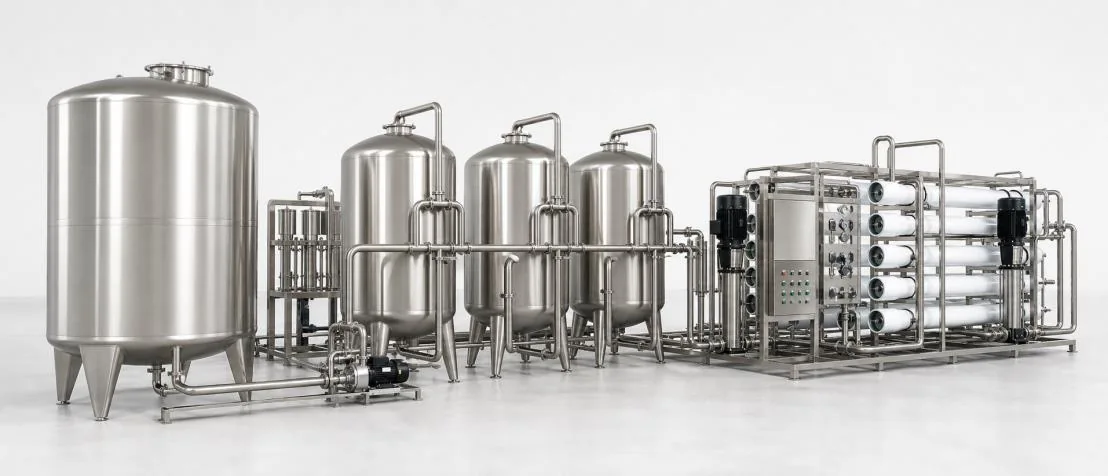
03 Buyer inputs
What the buyer should prepare
- Approved source outlet, product category and locally reviewed transfer constraints
- Route, distance, elevation, ambient exposure and required operating cases
- Permitted storage strategy, maximum hold assumptions and filler demand profile
- Sampling, sanitation, security, maintenance and release authorities
04 Allot Tech and manufacturing-resource inputs
What should be clarified or provided
- Hydraulic and operating concept based on verified route and demand information
- Pipeline, pump, tank, vent, overflow, drain and sample-point schedule
- Materials, cleanability, isolation, monitoring and abnormal-condition response
- Supply boundary separating equipment from qualified local civil and piping work
Allot Tech coordinates requirement, quotation and project communication. Detailed engineering, manufacture, testing, documentation and confirmed service are performed by selected manufacturing resources according to the signed scope.
05 Technical scope
Questions and work to control
Freeze the Transfer Envelope at Two Defined Terminals
Use the approved collection outlet as the upstream boundary and the filler or permitted treatment inlet as the downstream boundary. Record elevation, distance, normal and adverse flow cases, shutdown behavior, permitted storage and local design responsibilities before selecting pumps, pipe sizes or tanks.
- Upstream and downstream battery limits
- Route, elevation and access evidence
- Normal, low-demand and shutdown cases
- Civil, hydraulic and equipment ownership
Make Pipeline and Tank Hygiene Reviewable
Map product-contact materials, joints, slopes where applicable, low points, drains, isolation, tank inlets and outlets, vents, overflows, sample access and cleaning flow. Review dead zones, backflow, external contamination, unauthorized access and the consequences of extended residence.
- Product-contact material and joint schedule
- Tank, vent, overflow and drain protection
- Cross-connection and backflow controls
- Inspection, sampling and sanitation access
Release the Route After Cleaning, Repairs and Holds
Define which measurements, inspections and samples support initial release and return to service after stagnation, cleaning, opening or repair. Identify the affected water, isolate it during review and link the final release record to the production lot without assuming one upstream sample proves the entire route.
- Representative route sample locations
- Isolation and affected-water disposition
- Repair and sanitation traceability
- Authorized restart and lot linkage
Buyer questions answered
Practical answers before you request a quotation
Does this page replace a spring-source protection plan?
No. It starts from an approved source outlet and addresses the hygienic transfer and storage route to filling.
Is intermediate storage always permitted?
No universal assumption is safe. The target product category and jurisdiction require qualified review before storage is included.
Who designs a long spring-water pipeline?
Qualified local process, civil and hydraulic parties should own the final route, using equipment terminal requirements as controlled inputs.
What happens after a transfer-line repair?
Use the approved isolation, sanitation, inspection, sampling and release procedure before product transfer resumes.
06 Responsibility
Assign the owner before the work is due
Land, building and civil work, permits, import and customs, local taxes, site utilities, unloading, lifting, local labor, travel support and commissioning materials are not automatically included. Confirm every responsibility before order.
07 Common risks
What commonly creates avoidable uncertainty
- A long or intermittent transfer route creates unreviewed residence and stagnation
- Tank vents, overflows, drains or access points defeat the closed hygienic boundary
- A cross-connection permits operations or cleaning water to enter the product route
- A repair returns to service without controlled sanitation, sampling and release
08 Acceptance or completion
How to know the stage is complete
The transfer system is ready for construction release when the approved source terminal and filler inlet are fixed, hydraulic cases and permitted storage are documented, hygienic materials and details are reviewed, sanitation and sampling access is practical, maintenance controls are defined and qualified local responsibilities are assigned.
09 Required documents
Records that support the decision
- Approved source-outlet and filler-inlet boundary sheet
- Transfer pipeline, pump and storage process drawing
- Material, vent, drain, sampling and sanitation schedule
- Maintenance, repair, security and release procedure
Evidence basis
Official references and project limits
These primary sources support the general planning principles used in this guide. The rules, evidence and responsible authority for the actual project country must still be confirmed locally.
10 Next project step
Turn this decision into a reviewable project brief
Share the product, container, target output, destination and available site information. Unknown inputs can remain open for the first review.
Turnkey scope is project-specific and is defined by the signed technical and commercial agreement.