01 Answer first
Which systems are needed after water bottles are filled and capped?
The line may need bottle inspection or drying, conveyors and accumulation, label application, batch or date coding, code or label checks, bottle grouping, shrink wrapping, tray or case packing and pallet handling. Select the route from approved bottle, label, code and distribution-pack requirements, not filler BPH alone.
02 Where it fits
Position in the project journey
End-of-line definition - after bottle and brand-pack decisions and before labeler, coder, conveyor and packer release.
03 Buyer inputs
What the buyer should prepare
- Bottle drawings and samples, surface condition and discharge orientation
- Approved label artwork, substrate, dimensions, registration and application position
- Required code content, format, location, readability and traceability owner
- Bottles per pack, pattern, film, tray or carton, pallet and distribution conditions
04 Allot Tech and manufacturing-resource inputs
What should be clarified or provided
- Labeler and coder technology response for the actual bottle and materials
- Conveyor, drying if needed, accumulation, inspection and reject interfaces
- Packer cycle and line rating on the same bottle and finished-pack basis
- Utilities, guarding, change parts, FAT materials, tests, documents and exclusions
Allot Tech coordinates requirement, quotation and project communication. Detailed engineering, manufacture, testing, documentation and confirmed service are performed by selected manufacturing resources according to the signed scope.
05 Technical scope
Questions and work to control
Select the Label Technology From the Actual Package
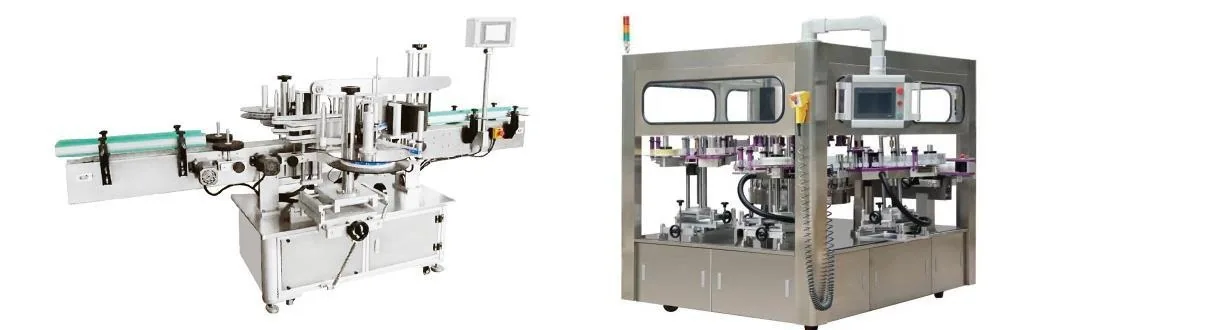
Bottle shape, label panel, surface moisture, material, decoration area and changeover range can support different label methods. The catalog identifies sleeve-labeling equipment as a reference category; current suitability, steam or heat interfaces where applicable, speed and options require confirmation.
- Sleeve, self-adhesive or other selected route
- Label dimensions, substrate and registration mark
- Bottle drying and surface condition
- Application position, inspection and reject method
Design Coding as a Traceability Control
A coder should apply the approved lot, date or other information at a controlled position. Define legibility, contrast, permanence, change authorization, verification, reject handling and record linkage rather than assuming that code presence alone proves traceability.
- Approved code content and format
- Print zone and production material test
- Online verification and reject response
- Record owner, access and change control
Use Conveyors and Buffers to Manage Real Stops
The end of line should recover safely from label replenishment, coder alarms, film or carton changes and short packer stops. Conveyor speed, pressure, accumulation purpose, transfers, full-bottle stability and control handshakes influence saleable output.
- Defined accumulation purpose and capacity basis
- Upstream and downstream stop signals
- Bottle pressure and damage control
- Safe access, rejects and manual recovery
Specify the Distribution Pack Before Packer Selection
The catalog shows hot-shrink film, piece or tray-assisted and case-packing categories plus pallet-handling references. These are Catalog References. Confirm bottles per pack, pattern, material specification, carry and transport conditions, pallet interface and acceptance sample for the actual market.
- Shrink bundle, tray, carton or case choice
- Pack pattern and material-quality window
- Finished-pack appearance and integrity checks
- Pallet, warehouse and distribution handoff
Buyer questions answered
Practical answers before you request a quotation
Which labeler is best for water bottles?
The correct method depends on bottle geometry and surface, label material and artwork, changeovers, utilities, output and market-pack requirements.
Does a sleeve labeler always need steam?
Do not assume one shrink method or utility. The proposed equipment and label material must state the required heat or shrink process and interfaces.
What should a bottle code include?
Content and format follow the buyer quality system and applicable local rules. The project should define position, legibility, verification, reject and record controls.
How is a shrink wrapper sized?
Use packs per hour for the actual bottles-per-pack pattern, film specification, infeed, accumulation and discharge—not filler BPH by itself.
What materials should be available for FAT?
Use approved production-representative bottles, labels, inks or coding consumables, film, trays or cartons in quantities and conditions defined by the protocol.
06 Responsibility
Assign the owner before the work is due
Land, building and civil work, permits, import and customs, local taxes, site utilities, unloading, lifting, local labor, travel support and commissioning materials are not automatically included. Confirm every responsibility before order.
07 Common risks
What commonly creates avoidable uncertainty
- Artwork and packaging materials arrive after machine configuration is frozen
- Moisture, bottle shape or material variation prevents consistent label application
- Code presence is confused with verified readability and record linkage
- Packer and conveyor recovery constrain the complete line output
08 Acceptance or completion
How to know the stage is complete
Approved production-representative bottles, labels, coding consumables and packing materials form stable, identifiable packs under stated conditions, with rejects, changeovers and downstream interfaces recorded.
09 Required documents
Records that support the decision
- Approved label artwork and application specification
- Code content, position and traceability verification plan
- Finished-pack drawing, material and reference-sample record
- End-of-line balance, FAT and changeover report
Evidence basis
Official references and project limits
These primary sources support the general planning principles used in this guide. The rules, evidence and responsible authority for the actual project country must still be confirmed locally.
Project-specific proposal input
Turn this decision into a reviewable project brief
Share the product, container, target output, destination and available site information. Unknown inputs can remain open for the first review.
10 Next project step
Related guides and next project steps
Share the product, container, target output, destination and available site information. Unknown inputs can remain open for the first review.
Explore this topic cluster
Turnkey scope is project-specific and is defined by the signed technical and commercial agreement.