01 Answer first
How do you specify a small-bottle PET water bottling line?
Provide every bottle volume and drawing, neck and cap, label and finished pack, then name one reference format for output comparison. Confirm whether bottles are bought or blown, how they reach the rinser-filler-capper, how each downstream machine handles them and which change parts, buffers, utilities and test materials are included.
02 Where it fits
Position in the project journey
Small-format line definition - before bottle tooling, machine rating, conveyor and packer selection.
03 Buyer inputs
What the buyer should prepare
- Bottle drawings and samples for every planned volume and shape
- Neck finish, cap, label, code and secondary-pack specifications
- Saleable demand, reference SKU, format mix and changeover frequency
- Bottle-supply route, site dimensions, utilities and storage conditions
04 Allot Tech and manufacturing-resource inputs
What should be clarified or provided
- Compatible bottle range, change parts and format-specific restrictions
- Blower or empty-bottle infeed, air conveyor and transfer interface definition
- Filler, labeler, packer and conveyor ratings on the same reference bottle
- Utility schedule, FAT materials, tests, documents and excluded local work
Allot Tech coordinates requirement, quotation and project communication. Detailed engineering, manufacture, testing, documentation and confirmed service are performed by selected manufacturing resources according to the signed scope.
05 Technical scope
Questions and work to control
Treat Each Bottle as an Engineering Format
Two bottles with the same nominal volume can differ in height, diameter, neck support, wall behavior, center of gravity and label panel. Those differences affect unscrambling, air conveying, rinsing, filling, capping, labeling and packing.
- Controlled dimensioned drawing
- Approved physical reference samples
- Preform and bottle-weight basis where blowing is included
- Allowed dimensional and material variation
Balance High-Count Bottle Flow Through the Line
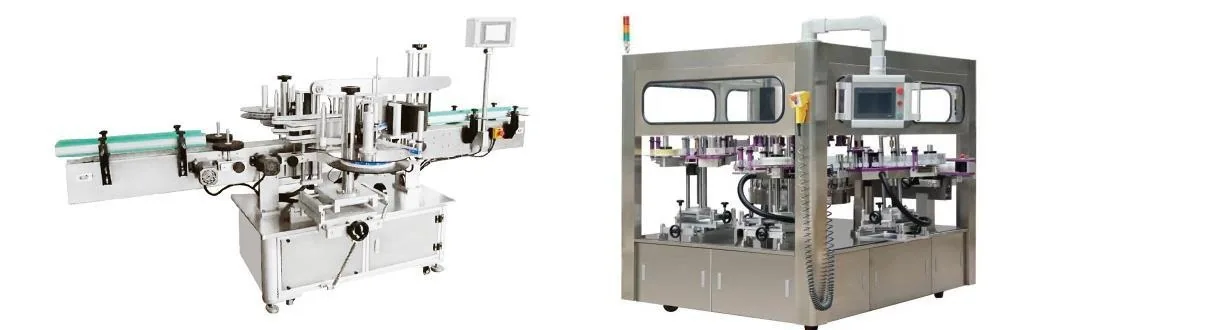
Small bottles increase the number of container transfers and finished packs for a given water volume. Review bottle generation or supply, air conveying, monoblock infeed, full-bottle stability, accumulation, label application and packer cycles as one system.
- Common reference BPH and pack rate
- Transfer recovery after short stops
- Reject and rework handling
- Operator replenishment and intervention points
Use the XGF Family Only as a Starting Reference
The catalog presents XGF 3-in-1 equipment for PET/plastic pure or mineral water and shows a published 500–2,000 ml reference range. Both the range and catalog model table are Catalog References; project confirmation is required for the actual bottle, rating, controls and supply.
- Confirm current model availability
- Confirm container and closure compatibility
- Confirm actual rating conditions
- Confirm product-contact materials and FAT scope
Freeze the Label and Pack Before Final Rating
Sleeve, self-adhesive or roll-fed labels can impose different bottle and utility conditions. A shrink bundle, tray or carton also changes pack rate and handling. Approved artwork, registration marks, film or board and a finished-pack reference should support machine selection.
- Label type, position and code zone
- Bottles per pack and pattern
- Packaging-material quality window
- Warehouse and transport handling basis
Buyer questions answered
Practical answers before you request a quotation
What bottle sizes count as small-bottle PET?
Use the actual commercial SKU list rather than a universal label. Every bottle needs controlled geometry, neck, cap, label and pack data.
Can one line handle several bottle sizes?
Potentially, but compatible ranges, change parts, changeover tasks, restrictions and the rating of each format require project-specific confirmation.
Does the catalog 500–2,000 ml range guarantee my bottle?
No. It is a Catalog Reference. Bottle shape, neck, material behavior and the selected machine configuration still need confirmation.
Why can the packer limit line output?
Small bottles create many finished packs. Pack pattern, material feed, grouping cycles, discharge and short stops can make the end of line the constraint.
Which samples are needed for FAT?
The agreed protocol should name approved bottles or preforms, caps, labels, coding consumables and secondary-pack materials, plus owners and quantities.
06 Responsibility
Assign the owner before the work is due
Land, building and civil work, permits, import and customs, local taxes, site utilities, unloading, lifting, local labor, travel support and commissioning materials are not automatically included. Confirm every responsibility before order.
07 Common risks
What commonly creates avoidable uncertainty
- A single nominal bottle volume hides major shape or stability differences
- Downstream labeling or packing constrains an otherwise adequate filler
- Unapproved lightweight bottles behave differently from FAT samples
08 Acceptance or completion
How to know the stage is complete
Each SKU has approved data, a named reference-output basis, confirmed equipment compatibility, defined change parts and documented factory-versus-site test conditions.
09 Required documents
Records that support the decision
- SKU, bottle, closure and label approval matrix
- Format compatibility and change-parts schedule
- Full-line balance and conveyor buffer review
- FAT sample, test and deviation record
Evidence basis
Official references and project limits
These primary sources support the general planning principles used in this guide. The rules, evidence and responsible authority for the actual project country must still be confirmed locally.
Project-specific proposal input
Turn this decision into a reviewable project brief
Share the product, container, target output, destination and available site information. Unknown inputs can remain open for the first review.
10 Next project step
Related guides and next project steps
Share the product, container, target output, destination and available site information. Unknown inputs can remain open for the first review.
Turnkey scope is project-specific and is defined by the signed technical and commercial agreement.