01 Answer first
What must be specified for a glass-bottle water bottling line?
Define whether glass is single-use or returnable, how bottles are received and inspected, the rinse or wash route, product and fill conditions, closure, label, code and protective distribution pack. Then confirm glass handling, breakage containment, rejects, cleaning, line speed, operator work and current equipment availability for the actual water project.
02 Where it fits
Position in the project journey
Glass-container route definition - before washer or rinser, filler, closure, conveyor, packing and layout selection.
03 Buyer inputs
What the buyer should prepare
- Single-use or returnable glass model, bottle drawing and representative samples
- Closure, label, code, crate, carton or other finished-pack specification
- Finished-water objective, output by format and distribution conditions
- Return inspection if applicable, factory flow, labor and local safety requirements
04 Allot Tech and manufacturing-resource inputs
What should be clarified or provided
- Container receiving, inspection, rinse or wash, fill, close and pack route
- Glass-compatible handling, transfers, guarding, reject and breakage response
- Project-specific filler and closure platform with stated rating conditions
- Utility, cleaning, FAT, approved-material, documentation and local-work schedule
Allot Tech coordinates requirement, quotation and project communication. Detailed engineering, manufacture, testing, documentation and confirmed service are performed by selected manufacturing resources according to the signed scope.
05 Technical scope
Questions and work to control
Choose New Glass or a Returnable Bottle Loop
New glass needs receiving, depalletizing or unpacking, inspection and protected transfer. Returnable glass adds dirty receiving, sorting, washing, contamination controls and clean/dirty zoning. These are different factory and commercial boundaries.
- Container ownership and quality status
- Incoming inspection and reject criteria
- Washing or rinsing process basis
- Crate, pallet and warehouse flow
Engineer Bottle Handling and Breakage Control
Glass is rigid and breakable, so conveyor guides, transfers, pressure, accumulation, guards, cleanup access and reject points need package-specific review. A broken-bottle response should protect people, product and adjacent containers.
- Stable transfer and accumulation
- Physical guarding and access control
- Fragment containment and cleanup procedure
- Documented restart and affected-product decision
Confirm a Water-Specific Filling and Closure Platform
The beverage catalog includes glass filling families for beer and juice, but those references do not prove a glass-water configuration. Fill method, product conditions, bottle, closure, hygiene, controls, materials and rating must be confirmed specifically for water before any model is proposed.
- No cross-product model assumption
- Product-contact and sanitation review
- Closure application and verification
- Project-confirmed current rating and options
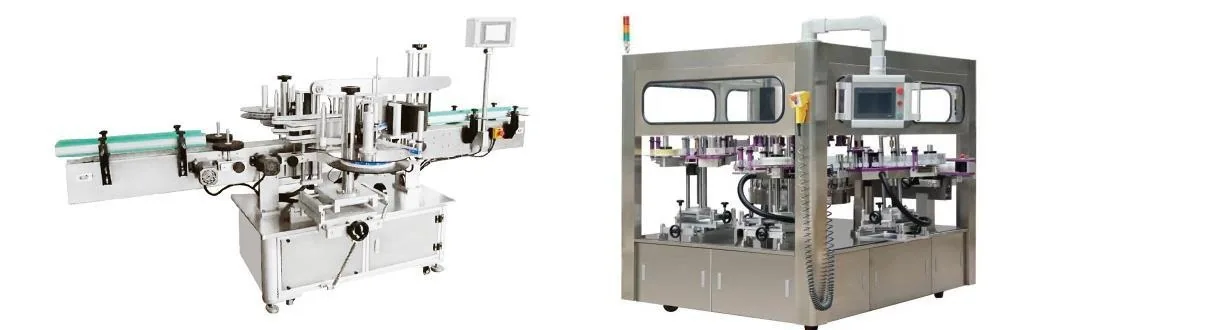
Protect Glass Through Labeling and Distribution Packing
Label adhesive or application method, code location, bottle contact, carton dividers, crates, shrink or other packs should be reviewed against scuffing, breakage and transport needs. The buyer owns distribution validation unless the signed scope assigns a specific test.
- Label panel and surface condition
- Readable code without bottle damage
- Protective separation and pack pattern
- Pallet, crate or warehouse interface
Buyer questions answered
Practical answers before you request a quotation
Does the catalog show a confirmed glass-water filling model?
No. Its glass platforms are shown for other beverages. A water-specific fill, closure, hygiene and rating basis requires separate project confirmation.
Can one line handle both new and returnable glass?
Do not assume so. Returnable containers can add sorting, intensive washing, inspection and dirty-to-clean zoning that new glass does not require.
How should broken bottles be managed?
The project should define guarding, containment, cleanup, affected-product assessment, reject handling and restart evidence under applicable site rules.
Is glass filled on the same equipment as PET?
Not automatically. Container handling, transfer, filling, closure and safety conditions differ and need a project-specific equipment response.
What samples are needed before equipment release?
Provide controlled bottle and closure drawings, representative samples, labels, code position and finished-pack materials for the agreed verification stages.
06 Responsibility
Assign the owner before the work is due
Land, building and civil work, permits, import and customs, local taxes, site utilities, unloading, lifting, local labor, travel support and commissioning materials are not automatically included. Confirm every responsibility before order.
07 Common risks
What commonly creates avoidable uncertainty
- Beer or juice glass equipment is presented as a confirmed water configuration
- Returnable-bottle soil and inspection needs are omitted from the process basis
- Breakage, fragments, rejected bottles and cleanup responsibilities are not designed
08 Acceptance or completion
How to know the stage is complete
The project identifies a current glass-water platform, approved containers and closures, new or returnable flow, breakage and rejection controls, common output conditions and agreed factory and site verification.
09 Required documents
Records that support the decision
- Glass bottle, closure and finished-pack approval sheet
- New or returnable container process flow
- Breakage, reject and cleaning control plan
- Project-specific equipment, FAT and interface schedule
Evidence basis
Official references and project limits
These primary sources support the general planning principles used in this guide. The rules, evidence and responsible authority for the actual project country must still be confirmed locally.
Project-specific proposal input
Turn this decision into a reviewable project brief
Share the product, container, target output, destination and available site information. Unknown inputs can remain open for the first review.
10 Next project step
Related guides and next project steps
Share the product, container, target output, destination and available site information. Unknown inputs can remain open for the first review.
Explore this topic cluster
Turnkey scope is project-specific and is defined by the signed technical and commercial agreement.