01 Answer first
What should happen when water bottling equipment arrives at site?
Verify shipment identity and condition, unload under an approved qualified plan, document damage and shortage, assign suitable storage and preservation, control inventory and access, and formally release complete equipment to installation.
02 Where it fits
Position in the project journey
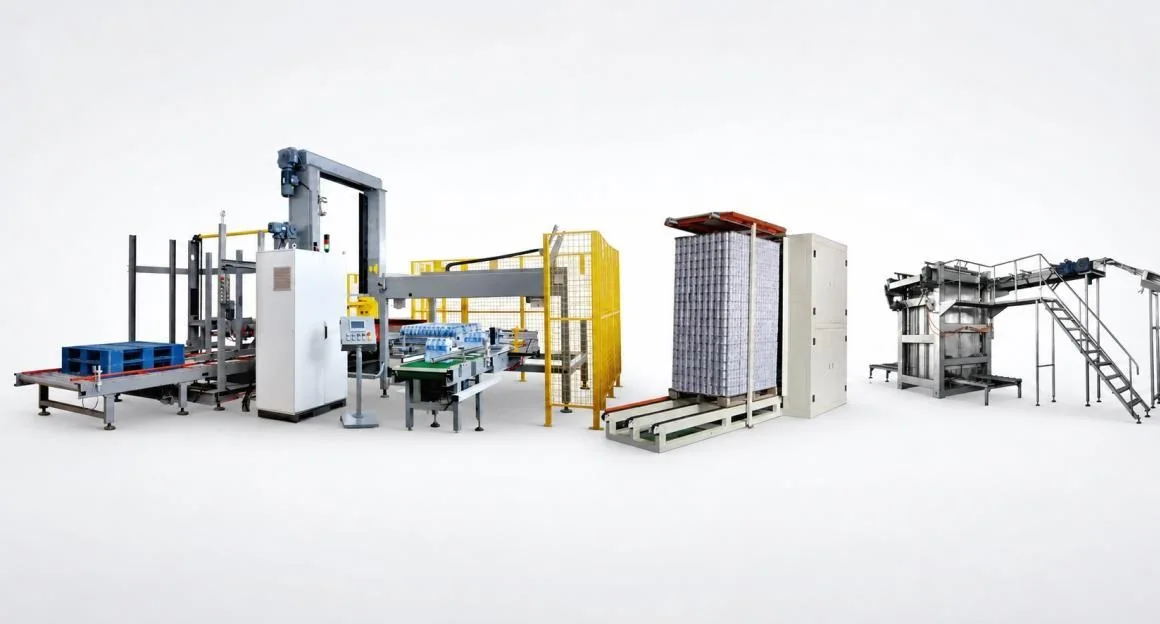
Site logistics — from delivery arrival through controlled release to installation.
03 Buyer inputs
What the buyer should prepare
- Ready delivery and storage areas
- Qualified local handling resources
- Custody, claim, and preservation ownership
04 Allot Tech and manufacturing-resource inputs
What should be clarified or provided
- Packing data and handling instructions
- Preservation and inspection requirements
- Technical response to findings
Allot Tech coordinates requirement, quotation and project communication. Detailed engineering, manufacture, testing, documentation and confirmed service are performed by selected manufacturing resources according to the signed scope.
05 Technical scope
Questions and work to control
Prepare the Site Before the Vehicle Arrives
Confirm route, gate, turning, unloading area, ground condition, lifting and handling equipment, trained roles, permits, lighting, weather response, and emergency controls.
Verify Shipment Identity and Seal Status
Compare vehicle or container, seal where used, case marks, quantities, dimensions, weights, documents, and visible condition before unloading.
Use the Approved Unloading and Lifting Plan
Follow marked points, center of gravity, spreaders, fork access, orientation, qualified local lifting requirements, exclusion zones, and case-specific instructions.
Inspect Cases and Equipment Systematically
Record packaging, moisture indicators where used, impact, corrosion, deformation, broken seals, loose contents, missing items, photographs, witnesses, and limits on opening.
Control Damage and Shortage Evidence
Preserve packaging and records, notify the assigned parties within applicable terms, segregate affected goods, avoid unauthorized repair, and obtain qualified claim advice.
Assign Storage by Preservation Need
Match indoor or protected location, temperature or humidity where required, floor support, covers, security, batteries, fluids, clean parts, vertical orientation, and stacking limits.
Maintain Preservation and Inventory
Schedule inspections, renewal, rotation or other vendor instructions, record access, track small parts and documents, and monitor the planned installation sequence.
Release Equipment to Installation
Verify identity, condition, preservation status, completeness, open claims, installation documents, handling route, and authorized custody transfer before opening or assembly.
Buyer questions answered
Practical answers before you request a quotation
Should every case be opened immediately?
Follow the approved inspection, customs, preservation, supplier, and claim process for each package and condition.
Who may repair transit damage?
Preserve evidence and obtain authorization from responsible contractual, technical, insurance, and claim parties before repair.
Why inspect stored equipment repeatedly?
Storage duration and environment can affect preservation, packaging, corrosion, batteries, clean parts, and later installation readiness.
06 Responsibility
Assign the owner before the work is due
Land, building and civil work, permits, import and customs, local taxes, site utilities, unloading, lifting, local labor, travel support and commissioning materials are not automatically included. Confirm every responsibility before order.
07 Common risks
What commonly creates avoidable uncertainty
- Unloading starts before route or lifting review
- Damage evidence is lost during opening
- Storage invalidates preservation before installation
08 Acceptance or completion
How to know the stage is complete
Receive when identity, quantity, condition, evidence, storage, preservation, claims status, and custody are recorded for each item.
09 Required documents
Records that support the decision
- Site receipt report
- Damage and shortage log
- Storage preservation register
10 Next project step
Turn this decision into a reviewable project brief
Share the product, container, target output, destination and available site information. Unknown inputs can remain open for the first review.
Turnkey scope is project-specific and is defined by the signed technical and commercial agreement.