01 Answer first
How should labeling, coding, and inspection systems share product identity?
Use one controlled SKU-to-artwork, code, recipe, and inspection matrix. Define data ownership, transfer, setup verification, triggers, user access, reject tracking, fault response, records, and change control across all systems.
02 Where it fits
Position in the project journey
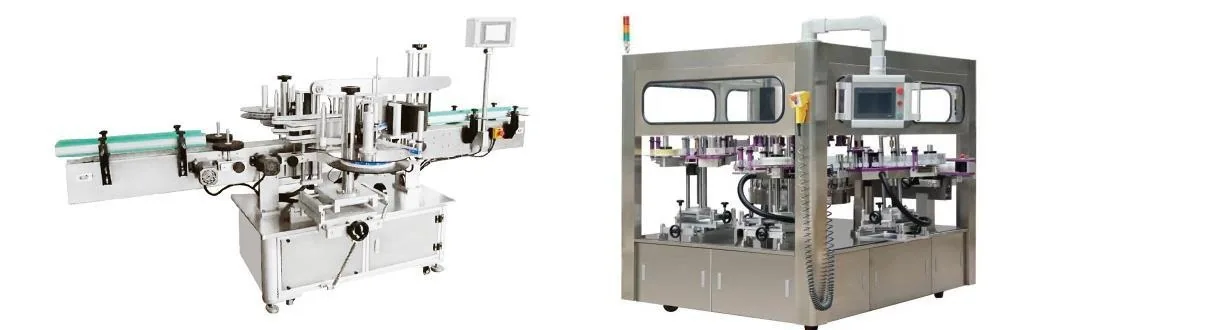
Decoration and traceability integration — before artwork, code, recipe, and inspection release.
03 Buyer inputs
What the buyer should prepare
- Approved artwork, code, and record rules
- SKU and batch master ownership
- Product disposition and user-access governance
04 Allot Tech and manufacturing-resource inputs
What should be clarified or provided
- Data, trigger, recipe, and reject interfaces
- Supported inspection conditions
- Functional and challenge tests
Allot Tech coordinates requirement, quotation and project communication. Detailed engineering, manufacture, testing, documentation and confirmed service are performed by selected manufacturing resources according to the signed scope.
05 Technical scope
Questions and work to control
Create One Product-to-Data Matrix
Link SKU, bottle, label artwork and material, code content and format, code source, inspection recipe, pack code, target market, and revision.
Define Artwork and Material Release
Control approval, vendor, print or conversion revision, incoming status, storage, issuance, return, destruction, and reconciliation of labels or decorated materials.
Map Code Data From Source to Printer
Identify who creates variable data, how it is approved and transferred, time and batch sources, user access, format selection, backup, and failure handling.
Coordinate Labeler and Printer Triggers
Define product detection, speed reference, delay, placement, encoder, reject tracking, line stop, and behavior through gaps, jams, and restart.
Set Inspection Objectives and Limits
The buyer quality plan should identify the defects or data conditions to detect, inspection location, sample set, decision rule, and product disposition.
Control Recipe Selection and Access
Link recipes to approved SKU identity, define authorized changes, independent verification, version retention, and response to a mismatch.
Verify Reject Tracking and Confirmation
Test detection, tracking through conveyors, physical removal, reject confirmation, full-bin or device fault, line response, and segregated product status.
Preserve Reviewable Production Evidence
Define which setup approvals, code samples, inspection results, rejects, faults, user changes, and reconciliations are retained and by whom.
Buyer questions answered
Practical answers before you request a quotation
Can the operator type any code directly at the printer?
Access and data entry should follow the approved site control and independent verification process.
Does a camera remove the need for line clearance?
No. Material reconciliation, previous-artwork removal, setup, and recipe verification remain controlled activities.
Why test reject tracking?
A valid detection is ineffective if the wrong bottle is removed or reject failure leaves affected product uncontrolled.
06 Responsibility
Assign the owner before the work is due
Land, building and civil work, permits, import and customs, local taxes, site utilities, unloading, lifting, local labor, travel support and commissioning materials are not automatically included. Confirm every responsibility before order.
07 Common risks
What commonly creates avoidable uncertainty
- Systems use different SKU revisions
- Manual code entry lacks independent verification
- Reject tracking fails after a conveyor gap
08 Acceptance or completion
How to know the stage is complete
Approve when product identity remains controlled from master data through setup, application, inspection, rejection, and retained evidence.
09 Required documents
Records that support the decision
- SKU-data matrix
- Recipe and access register
- End-to-end challenge record
10 Next project step
Turn this decision into a reviewable project brief
Share the product, container, target output, destination and available site information. Unknown inputs can remain open for the first review.
Turnkey scope is project-specific and is defined by the signed technical and commercial agreement.