01 Answer first
Should bottled water use cartons or shrink packs as secondary packaging?
Choose by channel and distribution duty, not appearance alone. Compare bottle protection, bundle integrity, merchandising, material supply, printing, equipment and utility interfaces, labor, changeovers, pallet pattern, warehouse climate, route handling, damage, recycling, and locally reviewed market needs.
02 Where it fits
Position in the project journey
Package engineering - before tooling, material, handling, inspection, and FAT sample release.
03 Buyer inputs
What the buyer should prepare
- Channel, customer, selling-unit, display, code, and barcode requirements
- Bottle, arrangement, pack strength, pallet, stacking, and route conditions
- Material suppliers, lead times, storage, printing, waste, and local constraints
- Labor, utilities, maintenance, changeover, and future-SKU plans
04 Allot Tech and manufacturing-resource inputs
What should be clarified or provided
- Declared carton or film format and material interfaces
- Equipment, utility, adhesive, tunnel, guarding, inspection, and layout needs
- Trial samples, pack tests, settings, and capability boundaries
Allot Tech coordinates requirement, quotation and project communication. Detailed engineering, manufacture, testing, documentation and confirmed service are performed by selected manufacturing resources according to the signed scope.
05 Technical scope
Questions and work to control
Answer First: Select Secondary Packaging From the Distribution Duty
Choose by channel and distribution duty, not appearance alone. Compare bottle protection, bundle integrity, merchandising, material supply, printing, equipment and utility interfaces, labor, changeovers, pallet pattern, warehouse climate, route handling, damage, recycling, and locally reviewed market needs.
Define the Decision Boundary
Define the selling unit, bottle arrangement, pick and carry behavior, required protection, display, barcode and code needs, opening, stacking, moisture exposure, route abuse, return or disposal pathway, and customer-specific specifications.
Buyer Inputs for Select Secondary Packaging From the Distribution Duty
For Carton vs Shrink Pack for Bottled Water, first verify Channel, customer, selling-unit, display, code, and barcode requirements and Bottle, arrangement, pack strength, pallet, stacking, and route conditions. Identify the owner and revision of every input, and keep unknown information visible until evidence closes it.
- Channel, customer, selling-unit, display, code, and barcode requirements
- Bottle, arrangement, pack strength, pallet, stacking, and route conditions
- Material suppliers, lead times, storage, printing, waste, and local constraints
- Labor, utilities, maintenance, changeover, and future-SKU plans
Connect the Decision to the Complete Plant
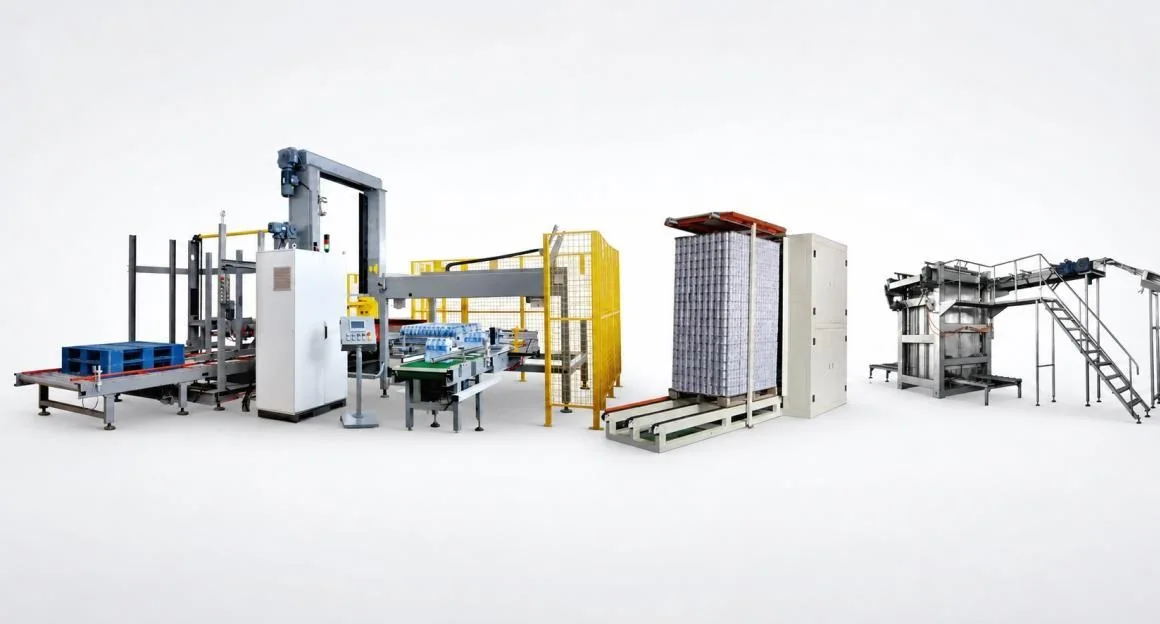
Evaluate erecting or collation, glue or tape, film wrapping and tunnel duty, trays, guides, change parts, utilities, safety, consumables, inspection, reject, accumulation, palletizing, warehouse density, vehicle loading, and damage feedback as a lifecycle system.
Responsibility Boundary for Carton vs Shrink Pack for Bottled Water
The buyer and packaging suppliers own approved drawings, samples, material specifications, artwork, and change control. Equipment resources should confirm declared format capability and project-specific tests. At the Select Secondary Packaging From the Distribution Duty gate, require the supplier to document Declared carton or film format and material interfaces, while the buyer owns Material suppliers, lead times, storage, printing, waste, and local constraints and obtains qualified local confirmation where applicable.
- Declared carton or film format and material interfaces
- Equipment, utility, adhesive, tunnel, guarding, inspection, and layout needs
- Trial samples, pack tests, settings, and capability boundaries
Risks That Can Invalidate Select Secondary Packaging From the Distribution Duty
Package components must be treated as one interacting system rather than isolated catalog items. In this decision, pay particular attention to Lowest material cost ignores damage and operating burden and Pack choice conflicts with customer handling or display. Record the owner, due gate, action, and closure evidence for every risk.
- Lowest material cost ignores damage and operating burden
- Pack choice conflicts with customer handling or display
- Future bottle or count changes require unplanned equipment scope
Evidence to Close Select Secondary Packaging From the Distribution Duty
Close Carton vs Shrink Pack for Bottled Water only when Secondary-pack decision matrix and Controlled bottle, pack, and material specifications are current, reviewable, linked to the project revision, and approved by named decision owners.
- Secondary-pack decision matrix
- Controlled bottle, pack, and material specifications
- Line, pallet, warehouse, and distribution trial evidence
- Approved lifecycle assumptions and change triggers
Next Step: Select Secondary Packaging From the Distribution Duty
Send the available inputs for Carton vs Shrink Pack for Bottled Water, including Channel, customer, selling-unit, display, code, and barcode requirements, for a project-specific interface review. A project-specific review can organize open inputs and interfaces, but the final scope, performance basis, responsibilities, and commercial commitments exist only in the signed technical and commercial agreement.
Buyer questions answered
Practical answers before you request a quotation
Should bottled water use cartons or shrink packs as secondary packaging?
Choose by channel and distribution duty, not appearance alone. Compare bottle protection, bundle integrity, merchandising, material supply, printing, equipment and utility interfaces, labor, changeovers, pallet pattern, warehouse climate, route handling, damage, recycling, and locally reviewed market needs.
Which buyer inputs should be confirmed for Carton vs Shrink Pack for Bottled Water?
Start with Channel, customer, selling-unit, display, code, and barcode requirements and Bottle, arrangement, pack strength, pallet, stacking, and route conditions. Keep unknowns open until their owners provide evidence.
What evidence should close this decision?
Review Secondary-pack decision matrix together with Controlled bottle, pack, and material specifications. The signed project documents and qualified local decisions remain controlling.
06 Responsibility
Assign the owner before the work is due
Land, building and civil work, permits, import and customs, local taxes, site utilities, unloading, lifting, local labor, travel support and commissioning materials are not automatically included. Confirm every responsibility before order.
07 Common risks
What commonly creates avoidable uncertainty
- Lowest material cost ignores damage and operating burden
- Pack choice conflicts with customer handling or display
- Future bottle or count changes require unplanned equipment scope
08 Acceptance or completion
How to know the stage is complete
Close Carton vs Shrink Pack for Bottled Water only when Secondary-pack decision matrix and Controlled bottle, pack, and material specifications are current, reviewable, linked to the project revision, and approved by named decision owners.
09 Required documents
Records that support the decision
- Secondary-pack decision matrix
- Controlled bottle, pack, and material specifications
- Line, pallet, warehouse, and distribution trial evidence
- Approved lifecycle assumptions and change triggers
10 Next project step
Turn this decision into a reviewable project brief
Share the product, container, target output, destination and available site information. Unknown inputs can remain open for the first review.
Turnkey scope is project-specific and is defined by the signed technical and commercial agreement.