01 Answer first
How should route-to-market decisions influence water bottling plant design?
Channels determine more than sales. Retail, wholesale, hospitality, institutional, direct delivery, and private-label customers can require different packs, order profiles, service levels, pallet rules, traceability, inventory, dispatch, and return handling that must enter the plant brief.
02 Where it fits
Position in the project journey
Investment definition - before site, financing, or equipment commitment.
03 Buyer inputs
What the buyer should prepare
- Channel list, customer segments, order unit, lead time, and service target
- Pack, pallet, labeling, coding, documentation, and promotion requirements
- Delivery geography, routes, vehicles, partners, and reverse logistics
- Inventory, allocation, returns, damage, credit, and complaint policies
04 Allot Tech and manufacturing-resource inputs
What should be clarified or provided
- Packaging and end-of-line interfaces relevant to selected channels
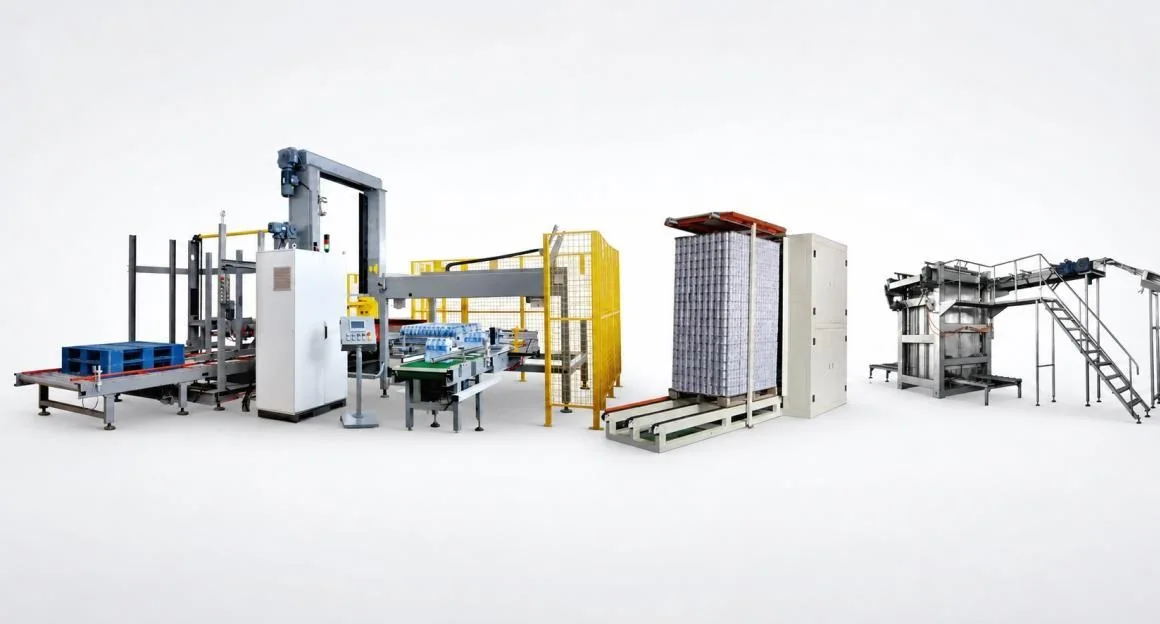
- Layout inputs for finished-goods transfer, staging, and dispatch
- Traceability and coding capability boundary for the agreed scope
Allot Tech coordinates requirement, quotation and project communication. Detailed engineering, manufacture, testing, documentation and confirmed service are performed by selected manufacturing resources according to the signed scope.
05 Technical scope
Questions and work to control
Answer First: Freeze the Channel-to-Plant Service Model
Channels determine more than sales. Retail, wholesale, hospitality, institutional, direct delivery, and private-label customers can require different packs, order profiles, service levels, pallet rules, traceability, inventory, dispatch, and return handling that must enter the plant brief.
Define the Fulfilment Promise by Channel
Record who orders, in what unit, at what frequency, with what lead time, delivery condition, pallet or display requirement, documentation, and return rule. Avoid a generic service promise that cannot be translated into warehouse and dispatch work.
Buyer Inputs for Freeze the Channel-to-Plant Service Model
For Bottled Water Route-to-Market Plant Planning, first verify Channel list, customer segments, order unit, lead time, and service target and Pack, pallet, labeling, coding, documentation, and promotion requirements. Identify the owner and revision of every input, and keep unknown information visible until evidence closes it.
- Channel list, customer segments, order unit, lead time, and service target
- Pack, pallet, labeling, coding, documentation, and promotion requirements
- Delivery geography, routes, vehicles, partners, and reverse logistics
- Inventory, allocation, returns, damage, credit, and complaint policies
Design Backward From Delivery to Production
Convert channel demand into order profiles, finished-goods policy, picking method, staging space, vehicle interface, production campaigns, packaging specifications, and traceability. Test peak dispatch periods separately from average production.
Responsibility Boundary for Bottled Water Route-to-Market Plant Planning
The buyer owns market evidence, financing, local legal review, and the final investment decision. Equipment and project resources should state the technical and commercial boundary they can support. The buyer owns commercial channel design, distribution partners, delivery resources, and customer terms; technical scope should reflect those documented choices.
- Packaging and end-of-line interfaces relevant to selected channels
- Layout inputs for finished-goods transfer, staging, and dispatch
- Traceability and coding capability boundary for the agreed scope
Risks That Can Invalidate Freeze the Channel-to-Plant Service Model
Investment pages must separate verified buyer evidence from assumptions and supplier information. In this decision, pay particular attention to Production is sized without testing dispatch bottlenecks and Customer-specific packs create unmanaged complexity. Record the owner, due gate, action, and closure evidence for every risk.
- Production is sized without testing dispatch bottlenecks
- Customer-specific packs create unmanaged complexity
- Return and damaged-stock flows cross hygienic or released-product routes
Evidence to Close Freeze the Channel-to-Plant Service Model
Accept the route-to-market basis when every priority channel has a defined service model and its packaging, inventory, dispatch, traceability, and return implications are assigned.
- Channel service matrix
- Order-profile and peak-dispatch model
- Pack-to-channel and pallet specification register
- Approved warehouse, staging, dispatch, and returns flow
Next Step: Freeze the Channel-to-Plant Service Model
Send the channel map, pack list, order patterns, delivery model, and service constraints for an interface review. A project-specific review can organize open inputs and interfaces, but the final scope, performance basis, responsibilities, and commercial commitments exist only in the signed technical and commercial agreement.
Buyer questions answered
Practical answers before you request a quotation
Why plan distribution before equipment?
Distribution requirements shape packs, inventory, warehouse flow, dispatch peaks, and therefore the useful plant configuration.
Can one pack serve every channel?
Sometimes, but confirm customer, handling, merchandising, pallet, and margin requirements rather than assuming.
Who owns delivery performance?
The buyer and its logistics partners, according to their contracts and operating model.
How should distributor margin, freight, returns and customer credit affect the plant plan?
Translate ex-factory price into collected revenue by channel, including agreed discounts, delivery cost, damage or return treatment, promotional support, payment terms and bad-debt assumptions. Use that net contribution and cash timing when assessing capacity, inventory and launch funding.
How do route density and delivery frequency change bottling and warehouse requirements?
Model orders by delivery area, drop size, dispatch day, vehicle capacity and service frequency. Convert the route plan into finished-goods dwell, pallet positions, loading peaks and production campaigns so a distribution constraint is not mistaken for a need for faster filling equipment.
06 Responsibility
Assign the owner before the work is due
Land, building and civil work, permits, import and customs, local taxes, site utilities, unloading, lifting, local labor, travel support and commissioning materials are not automatically included. Confirm every responsibility before order.
07 Common risks
What commonly creates avoidable uncertainty
- Production is sized without testing dispatch bottlenecks
- Customer-specific packs create unmanaged complexity
- Return and damaged-stock flows cross hygienic or released-product routes
08 Acceptance or completion
How to know the stage is complete
Accept the route-to-market basis when every priority channel has a defined service model and its packaging, inventory, dispatch, traceability, and return implications are assigned.
09 Required documents
Records that support the decision
- Channel service matrix
- Order-profile and peak-dispatch model
- Pack-to-channel and pallet specification register
- Approved warehouse, staging, dispatch, and returns flow
10 Next project step
Turn this decision into a reviewable project brief
Share the product, container, target output, destination and available site information. Unknown inputs can remain open for the first review.
Turnkey scope is project-specific and is defined by the signed technical and commercial agreement.